


Lowering the cost of owning a home is not about chasing every trend. The smartest efficiency upgrades are the ones that reduce monthly expenses, improve daily comfort, and support long-term value if you decide to refinance, sell, or make a move later. If you want practical ways to spend less and run your home more efficiently, these updates are some of the most useful places to start.
Below is a clear, homeowner-friendly guide to improvements that can make a real difference, from low-cost fixes you can handle this weekend to bigger decisions worth planning for over time.
1. Start with the leaks you cannot see
Many homes lose money through small air leaks around doors, attic penetrations, recessed lighting, duct connections, and older window trim. In 2026, one of the best first steps is still a professional energy assessment or blower-door test, because it helps you identify where conditioned air is escaping before you spend money on the wrong upgrade.
Homeowners often assume the HVAC system is the problem when the real issue is that the house cannot hold the heated or cooled air it is already paying for. Sealing gaps in the building envelope can improve comfort quickly, especially in rooms that always feel too hot in summer or too cold in winter.
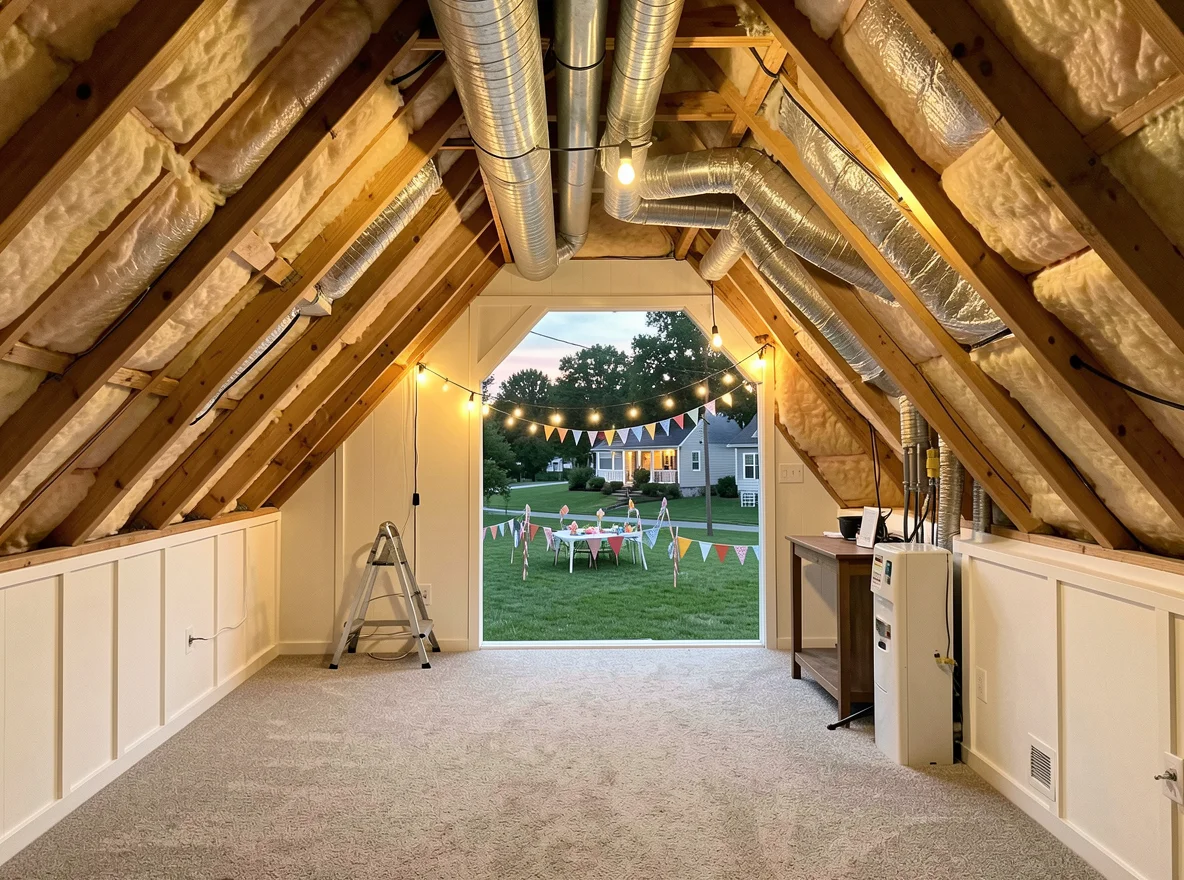
2. Upgrade insulation where it matters most
Insulation is not glamorous, but it is one of the most dependable ways to lower operating costs. Attics, crawl spaces, rim joists, and garage-adjacent walls are common weak points. If your home is older, there is a good chance the insulation level is below current expectations, even if the house looks updated on the surface.
Rather than insulating everything at once, prioritize the areas with the biggest payoff. An under-insulated attic can force your heating and cooling system to work harder every day. In many homes, improving attic insulation and air sealing together delivers better results than replacing equipment first.
3. Replace old thermostats with smarter controls
Smart thermostats have become more useful because they now do a better job learning occupancy patterns, adjusting for weather swings, and giving homeowners clearer usage reports. The real savings do not come from the app itself. They come from better scheduling, fewer unnecessary runtime hours, and more consistent temperature management.
If your household has changing routines, work-from-home days, or frequent travel, a programmable or smart thermostat can help you avoid heating and cooling empty rooms at full power. Zoned systems and room sensors can also be worth considering if one part of the home is always uncomfortable.
4. Pay attention to water heating, not just HVAC
Water heating is a major utility expense in many households, yet it is often overlooked. If your water heater is aging, inefficient, or oversized for your needs, replacement can produce meaningful savings. Heat pump water heaters continue to gain attention because they use far less energy than many conventional models while still meeting everyday household demand.
Even if replacement is not in the budget yet, simple adjustments can help. Lowering the temperature setting slightly, insulating accessible hot water pipes, and installing low-flow showerheads and faucet aerators can reduce both water and energy use without making the home feel less comfortable.
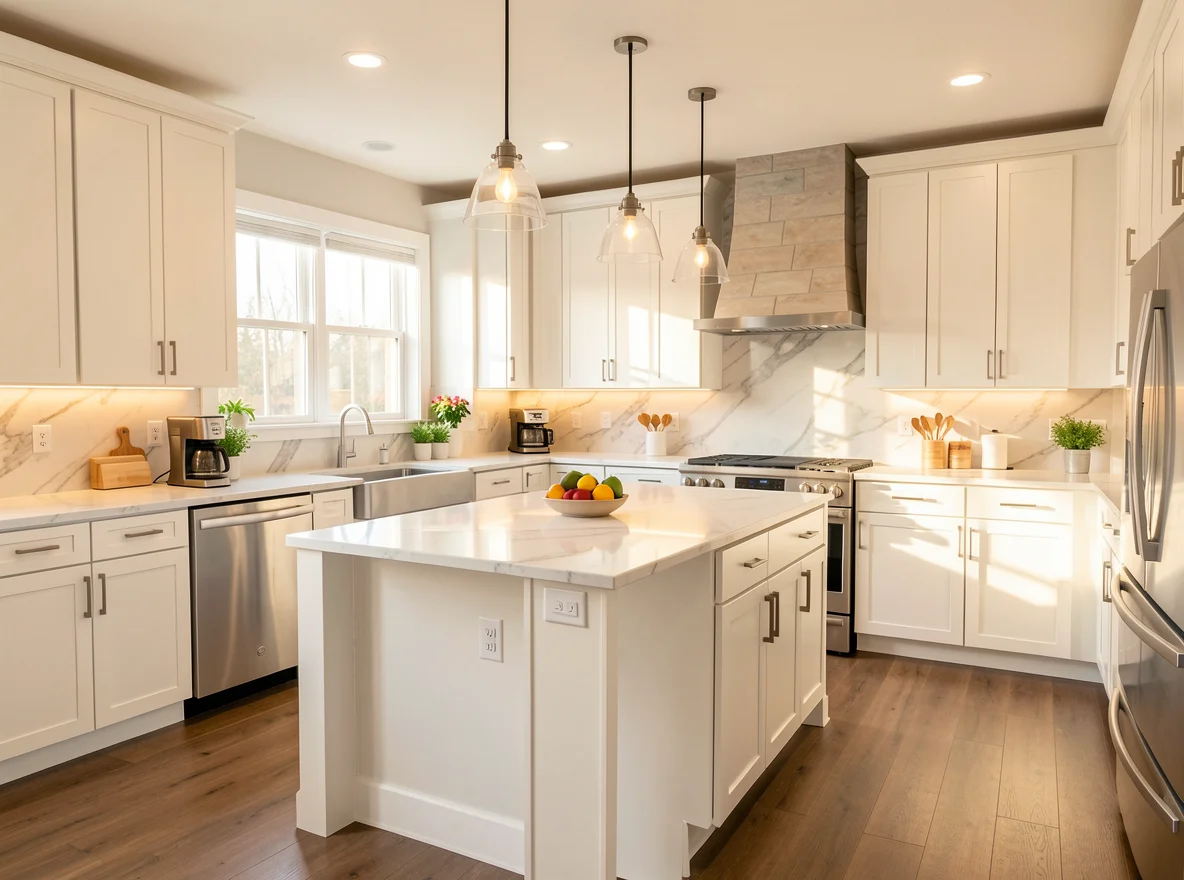
5. Choose appliances based on total cost, not sticker price
When an appliance fails, many owners focus only on the purchase price. A better approach is to compare the total cost of ownership over the next several years. Refrigerators, washers, dryers, dishwashers, and HVAC equipment all affect monthly expenses, and the cheapest option up front is not always the least expensive over time.
Look at energy use, maintenance expectations, warranty coverage, and expected lifespan. If you are replacing multiple items gradually, keep a simple home improvement plan so purchases happen strategically instead of reactively. That kind of planning can protect cash flow and reduce the stress of emergency replacements.
6. Make windows work better before replacing them
Full window replacement can be worthwhile in some homes, but it is not always the first move. Before committing to a major project, check for failed caulking, worn weatherstripping, loose locks, damaged screens, and outdated window coverings. Solar shades, insulated curtains, and properly sealed trim can improve performance more than many owners expect.
If replacement is necessary, focus on comfort, orientation, and climate performance rather than marketing language alone. The right product depends on your home, your exposure to sun, and whether your biggest issue is heat gain, winter drafts, or outside noise.
7. Use lighting and controls to cut waste quietly
LED lighting is now standard advice, but the bigger opportunity is often in controls. Dimmers, occupancy sensors in low-traffic areas, motion lighting outdoors, and smart plugs for electronics can reduce waste that adds up month after month. This is especially useful in larger homes where lights, fans, and devices tend to stay on longer than needed.
These upgrades are relatively inexpensive, easy to phase in, and helpful for owners who want immediate savings without taking on a major renovation.
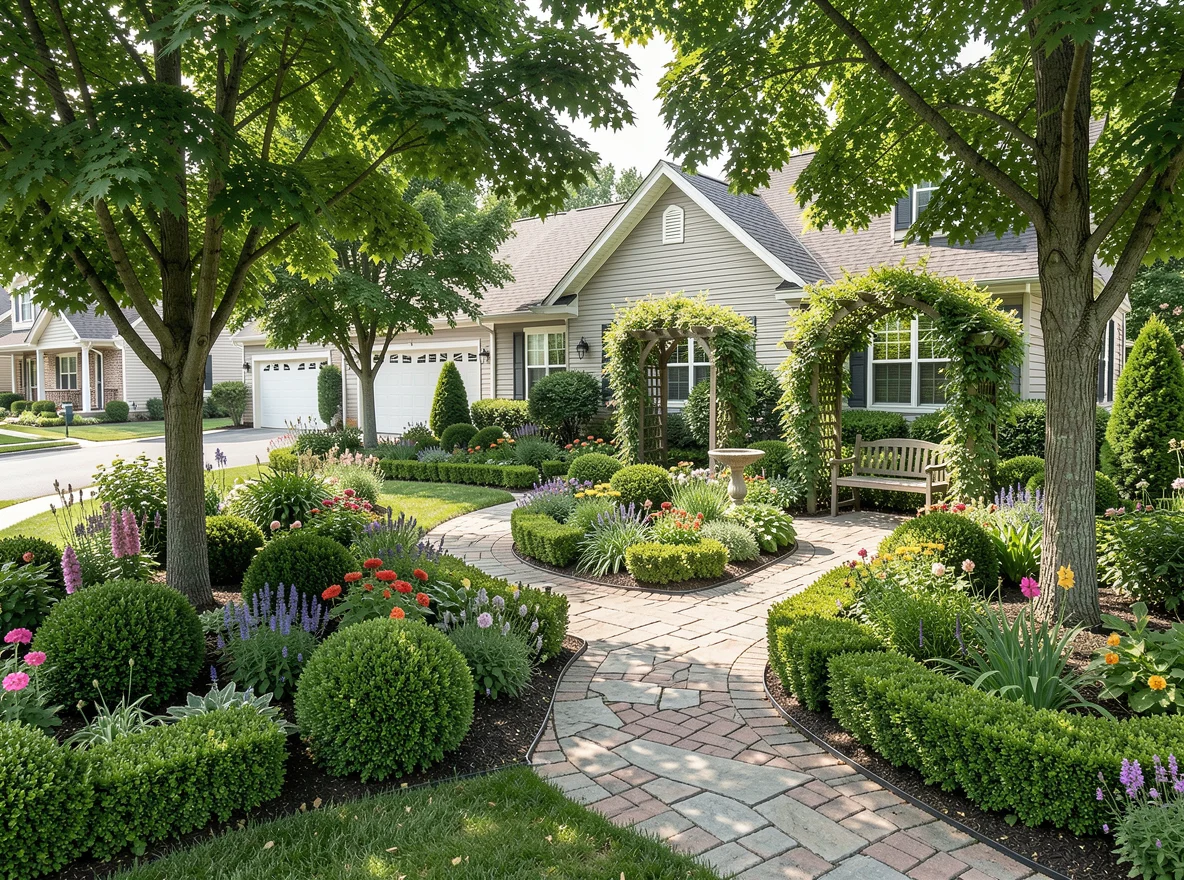
8. Think about landscaping as an efficiency tool
Smart ownership decisions are not limited to what happens inside the house. Shade trees, strategic plantings, and well-planned exterior maintenance can affect cooling loads, drainage, and long-term durability. Keeping gutters clear, directing water away from the foundation, and reducing harsh afternoon sun on exposed windows can all support a more efficient home.
Exterior improvements also matter if you may sell in the future. Buyers notice a home that feels well maintained, and efficiency-minded upkeep often supports both curb appeal and confidence in the property overall.
9. Review your roof, ducts, and ventilation before problems grow
Some of the most expensive utility and maintenance issues begin with deferred upkeep. Poor attic ventilation, leaking ducts, aging roof components, and moisture buildup can all undermine efficiency while creating bigger repair bills later. A home that struggles with humidity, uneven temperatures, or persistent dust may be telling you more than you think.
Routine inspections can help you catch issues early. In many cases, the best money-saving move is not a flashy new feature but preventing a manageable problem from becoming a major one.
10. Consider electrification carefully and strategically
More homeowners are evaluating whether to replace aging gas-powered systems with efficient electric alternatives over time. Depending on utility rates, local infrastructure, and the condition of your current equipment, this can be a smart long-term plan. But it works best when approached as part of a broader strategy rather than a rushed one-for-one swap.
If you are considering a new HVAC system, water heater, induction range, or EV charging setup, think about panel capacity, insulation quality, and how the home performs as a whole. The most effective upgrades work together.
11. Keep records of every improvement
One of the most overlooked ownership habits is documentation. Save receipts, model information, warranty details, and installation dates for efficiency upgrades. Track utility changes when possible. This helps you make better future decisions, simplifies maintenance, and can be useful if you eventually bring the home to market.
Sellers who can show thoughtful improvements often present a stronger value story. Buyers appreciate homes with lower expected operating costs, and organized records can make those benefits easier to understand.
12. Focus on the upgrades that fit your next move
The best efficiency plan depends on your timeline. If you expect to stay for many years, larger investments may make sense because comfort and cumulative savings matter more. If a move could be on the horizon, prioritize improvements that reduce visible wear, improve everyday livability, and support broad buyer appeal.
Either way, the goal is the same: keep more of your money by making decisions that improve how the home performs. A well-run home is not just cheaper to operate. It is easier to maintain, more comfortable to live in, and often better positioned when real estate decisions arise later.
Home efficiency does not require doing everything at once. Start with the upgrades that solve real problems, reduce waste, and support your budget. Over time, those practical choices can add up to lower costs, stronger ownership confidence, and a home that works harder for you.