
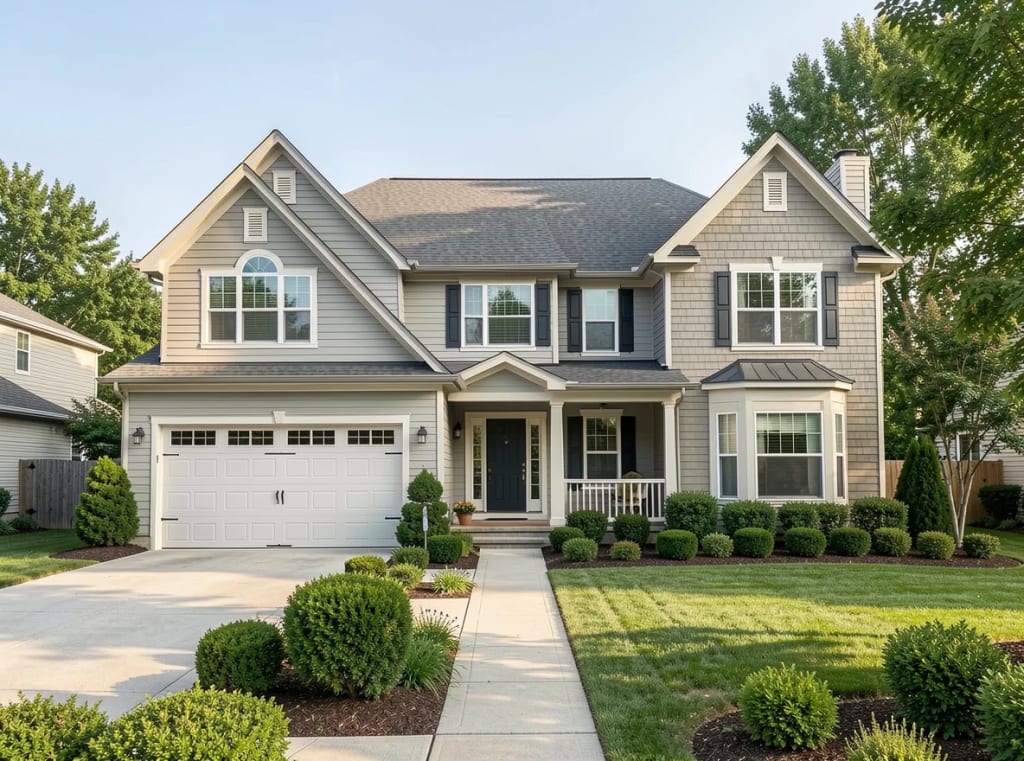
How to Buy a Home in Boston When Competition Is High
Buying a home in the Boston area can feel intense, especially when well-priced properties attract immediate attention and multiple offers. In neighborhoods across Boston and nearby communities, buyers often need to balance speed, preparation, and discipline to compete effectively without losing sight of their long-term goals.
The objective is not simply to win at any cost. The real goal is to buy the right home in Boston on terms that support your finances, your lifestyle, and your future plans. With a clear strategy and the right guidance from your agent, you can stay competitive while still protecting your interests.

Get Ready Before You Start Making Offers
Preparation is one of the biggest advantages a buyer can have in Boston. In a fast-moving market, there is rarely time to sort out financing, priorities, and paperwork after the right property appears. Buyers who do that work in advance are better positioned to act decisively and present a stronger offer from the start.
That begins with understanding your budget in practical terms, not just theoretical loan limits. A lender may approve you for more than you actually want to spend each month, so it is important to define a payment range that feels comfortable for your day-to-day life in Greater Boston. That includes principal, interest, taxes, insurance, condo fees or association dues if applicable, and room for maintenance or future repairs.
It also helps to get fully pre-approved rather than casually pre-qualified. A true pre-approval gives sellers more confidence because your financial picture has already been reviewed in greater detail. In a competitive Boston offer situation, that extra credibility can matter.
Before touring homes, buyers should also identify what matters most. A clear list of must-haves, nice-to-haves, and deal-breakers makes it easier to compare properties and avoid emotional decision-making. Without that framework, every listing can feel urgent. With it, you can recognize the right fit faster.
Secure a current pre-approval from a reputable lender
Confirm available funds for down payment, closing costs, and reserves
Set a realistic monthly payment target for the Boston market
Define your non-negotiables before you begin touring
Create a plan with your agent for showings, timing, and offer strategy
Move Quickly Without Losing Perspective
Speed matters in a competitive market, but speed without structure can lead to mistakes. The strongest buyers are not the ones who rush blindly. They are the ones who already know how they will evaluate a home before they walk through the front door.
When a well-priced property comes to market in Boston, Cambridge, Somerville, or nearby suburbs, there may be limited time to decide. That is why it helps to use the same evaluation process for every home: location, condition, layout, renovation needs, resale potential, and total monthly cost. A repeatable system keeps you grounded when emotions rise.
It is also important to separate urgency from pressure. A home may require a fast decision, but that does not mean every fast decision is a good one. If a property fits your goals, budget, and timeline, acting quickly can be smart. If it does not, walking away is just as valuable.
Buyers who stay focused on fit rather than fear are often in a better position to make strong offers with confidence. That clarity becomes especially important when multiple offers are expected and every term matters.
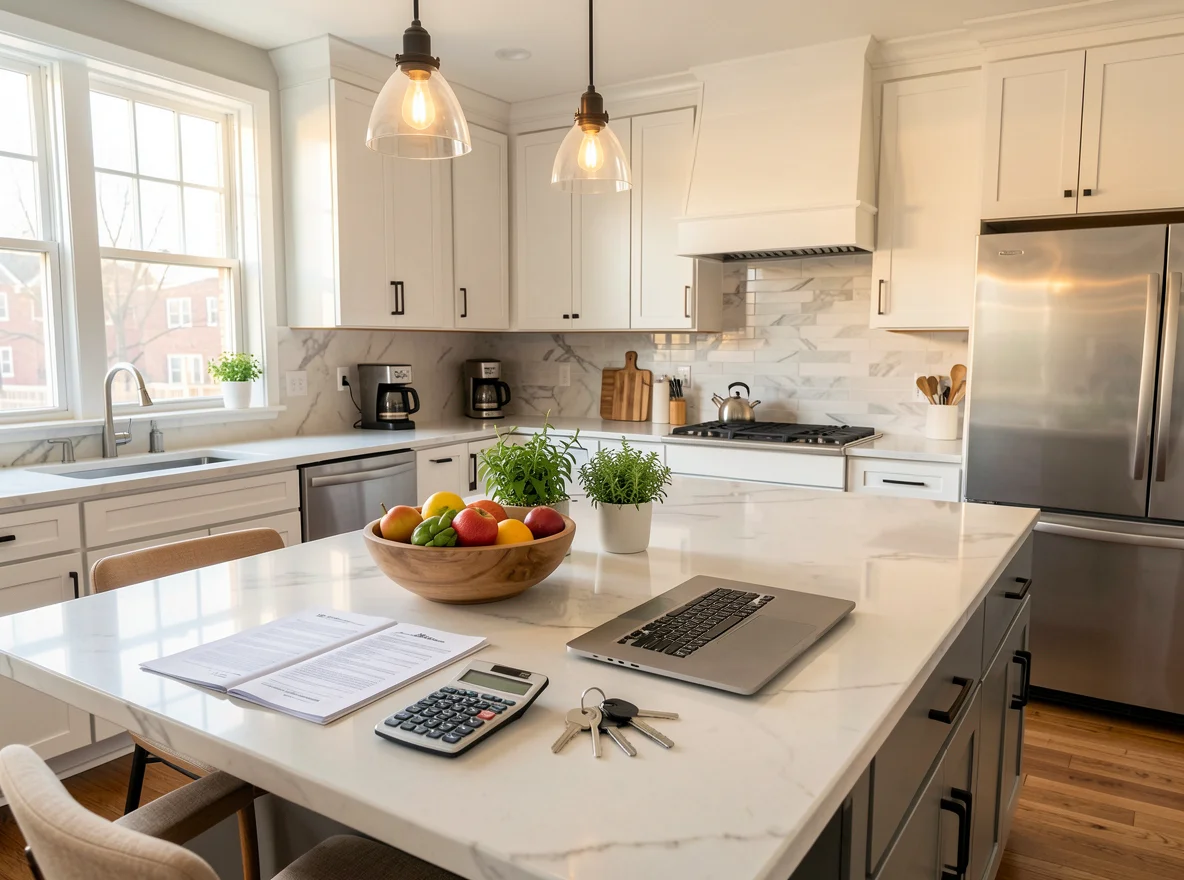
Strengthen the Parts of Your Offer Beyond Price
Price is important, but it is not the only factor sellers consider. In many competitive Boston-area situations, sellers are looking for the offer that feels most likely to close smoothly and on time. That means financing strength, clean terms, and clear communication can all improve your position.
Talk with your lender early about how to present the strongest possible financial profile. That may include choosing the right loan product, understanding your flexibility on down payment, and preparing for a faster underwriting process. If you may need to compete above asking price, it is wise to discuss appraisal gap scenarios in advance so you understand the risks before they become urgent.
Your agent should also help you think through terms that matter to sellers. Depending on the situation, that could include a flexible closing timeline, a strong earnest money deposit, or fewer unnecessary complications in the contract. The right strategy depends on the property, the competition, and your comfort level.
Strong offers often include:
A complete pre-approval rather than a basic pre-qualification
Proof of funds that is ready to share when needed
Offer terms designed to reduce avoidable delays
A realistic purchase price supported by local market value
Clear communication between buyer, agent, and lender
Set Realistic Expectations While Protecting Your Standards
Competitive markets require flexibility, but flexibility should not be confused with settling. Buyers in Boston often need to decide where compromise makes sense and where it does not. Cosmetic issues, dated finishes, or minor updates may be acceptable if the home has the right location, layout, and long-term potential. Major affordability concerns or functional problems are different.
It also helps to expect that not every offer will win. Even a strong buyer can lose out on a great property if the competition is unusually aggressive. That does not always mean the strategy was wrong. Sometimes it simply means another buyer was willing to take on more risk or pay more than you reasonably should.
Staying realistic protects both your finances and your mindset. Buyers who understand that some disappointment is part of the process are often better able to stay patient and ready for the next opportunity instead of reacting emotionally after a loss.
The right home purchase should still feel right after the excitement fades. That is why disciplined expectations matter just as much as enthusiasm.

Think About Value, Not Just the Winning Number
In a fast market, it is easy to focus only on getting under contract. But a smart purchase is about more than winning. It is about understanding value in a broader sense: the home itself, the location, likely maintenance costs, future resale appeal, and how the property supports your plans over time.
That means looking beyond list price. A home that appears affordable at first glance may need immediate repairs, expensive updates, or ongoing costs that change the full picture. On the other hand, a well-maintained property in a stronger Boston-area location may justify a more competitive offer because it offers better long-term utility and stability.
Buyers should also think about how transaction costs affect flexibility. Saving money in one area of the purchase can create room for closing costs, moving expenses, repairs, or improvements after closing. That kind of financial breathing room can make a major difference, especially when the market is already demanding quick decisions and strong terms.
Value is not just about paying less. It is about making sure the total investment aligns with your goals and leaves you in a healthy position after the keys are in your hand.
Stay Disciplined When Competition Intensifies
Pressure can push buyers toward choices they would not normally make. Fear of missing out, bidding beyond a comfortable limit, or waiving protections without fully understanding the consequences can all create problems that last far longer than the excitement of getting an offer accepted.
Discipline is what keeps a competitive strategy from becoming a risky one. That means knowing your ceiling before you write, understanding which contingencies are negotiable and which ones protect you in meaningful ways, and asking the right questions before you commit.
A disciplined buyer should be able to answer a few key questions with confidence:
Does this home truly fit your needs for the next several years?
Is the price supportable based on the property and the Boston market?
Are you comfortable with the monthly payment and cash required to close?
Do the contract terms expose you to risks you do not want to take?
If your offer is accepted, will the decision still feel sound after the initial excitement passes?
That kind of discipline does not make you less competitive. It makes your decisions stronger. Buyers who understand their numbers, priorities, and limits are often able to act more confidently because they are not improvising under pressure.
Work With a Plan, Not Just Hope
Buying in the Boston market is challenging, but it is manageable with the right preparation and guidance. The buyers who succeed are usually the ones who combine speed with structure, confidence with realism, and ambition with discipline.
If you are preparing to buy in Boston or the surrounding area, our team can help you build a strategy that keeps you competitive without losing sight of value. With a clear plan, strong preparation, and smart guidance from your agent, you can move quickly when the right home appears and make decisions you feel good about long after closing.