
Writing a strong offer is not about being reckless or simply offering the highest number. In a competitive market, the best offers are well-structured, well-timed, and designed to give the seller confidence that the transaction will actually close. Buyers who understand how pricing, contingencies, earnest money, and flexibility work together are in a much better position to compete without overextending themselves.
If you are preparing to buy, a thoughtful strategy matters as much as enthusiasm. The goal is to make your offer attractive while still protecting your financial interests. With the right guidance from your agent, you can build an offer that is both competitive and smart.
Start With a Pricing Strategy, Not a Guess
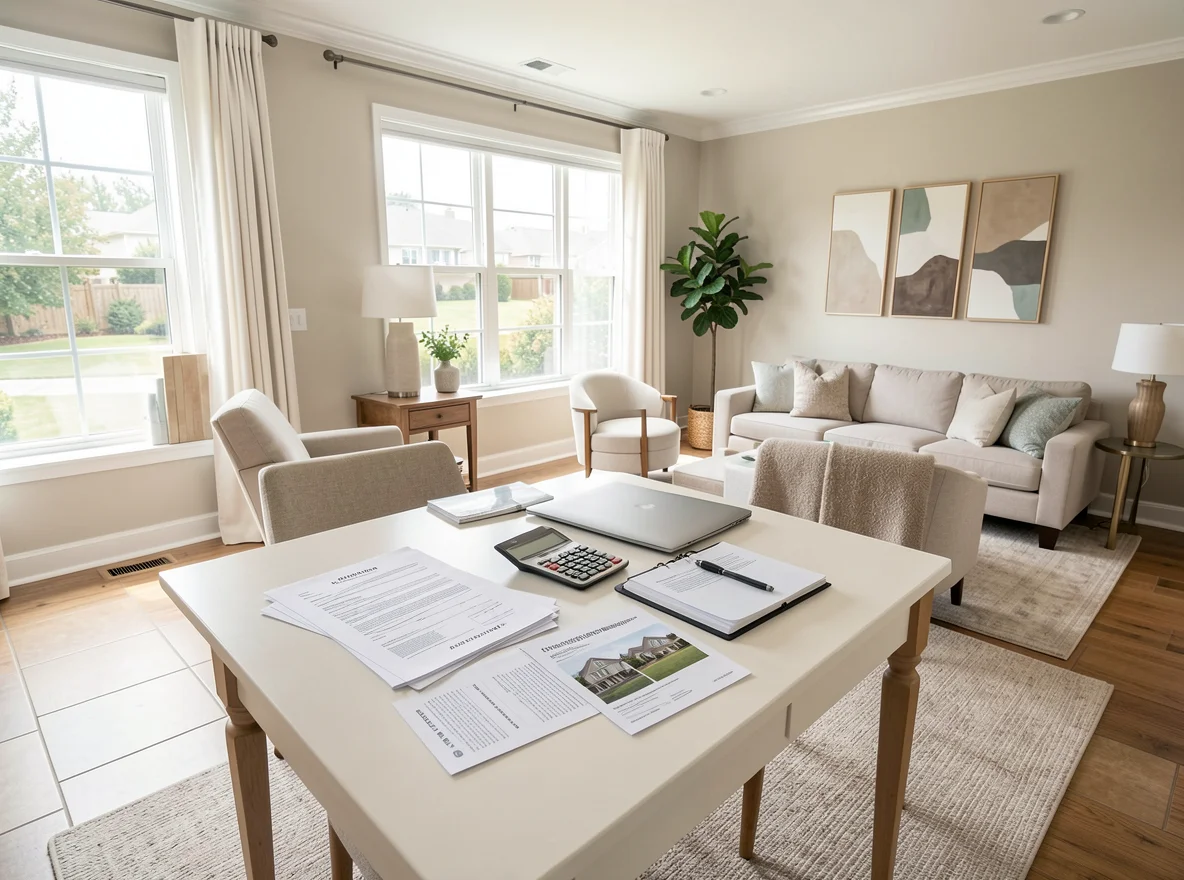
One of the biggest mistakes buyers make is treating offer price as a shot in the dark. A strong offer starts with a clear understanding of value. That means reviewing recent comparable sales, looking at how long similar homes stayed on the market, and evaluating whether the property is likely to attract multiple offers. A home that is newly listed, well-presented, and priced appropriately may require a more aggressive approach than a property that has been sitting for several weeks.
Your offer price should reflect both market reality and your own comfort level. In some situations, offering above asking may be justified if the home is underpriced to generate activity. In others, a full-price offer may already be strong if the terms are clean and the seller values certainty. The key is to avoid emotional overbidding without a strategy behind it. A winning offer is not just about stretching; it is about making a disciplined decision based on evidence.
This is where experienced representation matters. Your agent should help you interpret the market, not just relay numbers. A good strategy weighs the home’s value, the competition, and your long-term goals so you can move decisively without losing perspective.
Strengthen the Terms Around the Price
Price gets attention, but terms often decide the outcome. Sellers want to know whether your offer is likely to move smoothly from acceptance to closing. That is why financing strength, inspection structure, and overall simplicity can make a major difference.
If you are financing the purchase, a strong pre-approval from a reputable lender is essential. It shows the seller that your finances have already been reviewed and that you are not just beginning the process. If possible, ask your lender to be available during the offer period so the listing agent can confirm your qualifications quickly. That extra layer of confidence can help your offer stand out.
Inspection and appraisal contingencies should also be handled thoughtfully. Buyers should not waive protections casually, especially on a major purchase. But there is a difference between keeping a contingency and making it feel manageable to the seller. For example, a shorter inspection period can show seriousness. An appraisal gap strategy, if financially appropriate, can reduce seller concern in a rising market. The strongest offers balance protection with practicality.

Contingencies are not weaknesses by default. They are tools. The question is how they are written and whether they fit the situation. An experienced agent can help you identify which protections are necessary, which can be narrowed, and which may be less important depending on the property and market conditions.
Use Earnest Money to Show Commitment
Earnest money is one of the clearest ways to demonstrate that you are serious. This deposit tells the seller you are committed to the transaction and willing to put money on the line. In a competitive environment, a stronger earnest money deposit can make your offer feel more credible.
That does not mean you should deposit more than you can comfortably risk under the contract terms. It does mean you should understand how earnest money is perceived. A very low deposit may suggest hesitation, while a meaningful deposit can reinforce the strength of your overall package. The right amount depends on the price point, local norms, and the level of competition.
Timing matters here too. If your contract allows for prompt delivery of earnest money after acceptance, that can further reassure the seller. The more your offer communicates readiness and reliability, the better your position becomes.
Timing Can Be as Important as Price
In many transactions, speed and timing shape the seller’s decision just as much as dollars. A buyer who can move quickly on inspections, financing, and closing may be more attractive than a buyer offering slightly more money with more uncertainty. Sellers often have practical concerns: they may need extra time to move, they may want a fast close, or they may be coordinating the purchase of another home.
That is why one of the smartest things you can do is learn what matters most to the seller before writing the offer. If the seller needs flexibility on possession, a rent-back or adjusted closing date may help. If they want certainty, a shorter contingency timeline may be more valuable than a small increase in price. Strong offers are tailored, not generic.
Responsiveness also matters before the offer is even submitted. Buyers who have documents ready, lender communication lined up, and decision-makers available can act faster when the right home appears. In a competitive market, preparation creates leverage.
Flexibility Wins More Deals Than Buyers Expect
Many buyers focus so heavily on price that they overlook the power of flexibility. Yet flexibility can be one of the most effective ways to strengthen an offer without increasing the purchase price dramatically. If the seller needs a specific closing date, wants to leave certain items behind, or prefers fewer repair negotiations, those details can influence the final decision.
Being flexible does not mean giving up your priorities. It means identifying where you can accommodate the seller without creating unnecessary risk for yourself. Sometimes that means adjusting the closing timeline. Sometimes it means accepting minor cosmetic issues rather than planning to negotiate every detail after inspection. Sometimes it means structuring the offer in a way that feels easier for the seller to accept.
This is especially important when multiple offers are close in price. Sellers often choose the offer that feels simplest and most dependable. A buyer who appears organized, realistic, and easy to work with can have a real advantage.
Think About the Whole Purchase, Not Just the Offer Price
A smart offer strategy looks beyond the headline number. Buyers should consider the total cost of the purchase, including financing terms, closing costs, potential repairs, and how much cash they want to preserve after closing. Sometimes the strongest financial decision is not to push every dollar into the offer itself, but to structure the transaction in a way that supports long-term stability.
This is also where fee structure can matter. A 1% fee model can create more room for buyers to think strategically about the overall purchase. Instead of viewing the transaction only through the lens of offer price, buyers can evaluate how representation costs, negotiation outcomes, and total cash outlay work together. That kind of value can support smarter decision-making across the entire process, especially when every dollar counts.
The best outcome is not simply getting under contract. It is getting under contract on terms that make sense for your budget, your risk tolerance, and your future plans. A strong offer should help you win the home while still feeling confident about the path ahead.
Work With an Experienced Agent Who Knows How to Compete
Competitive offers are rarely the result of luck. They come from preparation, market knowledge, and strong communication. An experienced agent helps you read the situation, understand what the seller is likely to value, and avoid common mistakes that weaken otherwise solid offers.
Your agent should be helping you answer practical questions: How aggressive does this market require you to be? Which contingencies are essential? Where can flexibility help? How can you present your financing in the strongest possible light? Those answers are different for every property, which is why personalized strategy matters.
If you are getting ready to buy and want help building a strong, competitive offer, contact our team. We can help you evaluate pricing, terms, timing, and negotiation strategy so you can move forward with clarity and confidence.