
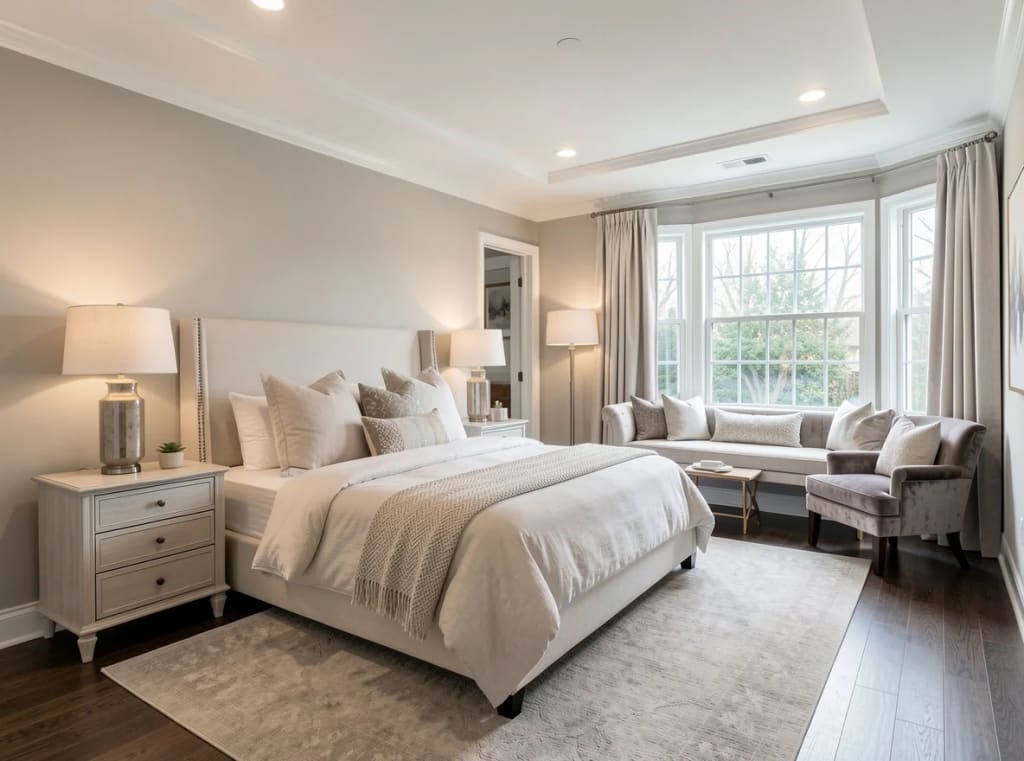
Before you spend money getting your home ready to sell, it helps to know which updates are likely to improve buyer response and which ones may simply add cost without adding much return. The most effective pre-listing improvements are usually the practical ones that make a home feel clean, bright, well maintained, and easy for buyers to picture themselves living in from the moment they arrive.
For most sellers, the goal is not to take on a full renovation. It is to make smart, selective improvements that strengthen first impressions, reduce buyer hesitation, and help the home show at its best online and in person. Here is how to think through the upgrades that are often worth doing before listing, along with where it makes sense to hold back.
Start With the Improvements Buyers Feel Immediately
If you are deciding where to begin, focus first on the updates that shape a buyer's overall impression the fastest. Fresh paint is often one of the best examples. Rooms with scuffed walls, bold colors, or uneven touch-ups can feel more dated than they really are. A clean, neutral palette helps spaces feel brighter, larger, and more move-in ready.
Lighting is another high-impact improvement that sellers sometimes underestimate. Replacing outdated fixtures, installing brighter bulbs with a consistent tone, and making sure darker corners are properly lit can change how a home feels during both showings and listing photography. Buyers respond to homes that feel open and welcoming, and poor lighting can make even a solid property feel tired.
Just as important is cleanliness. Before taking on expensive projects, make sure the home is deeply cleaned from top to bottom. Windows, baseboards, vents, flooring, grout, appliances, and overlooked surfaces all matter. A spotless home sends a message that the property has been cared for, and that perception can influence how buyers view everything else.
Curb Appeal Still Sets the Tone
Buyers begin forming opinions before they ever step through the front door. That is why exterior presentation matters so much. You do not need an elaborate landscaping overhaul to make a strong impression, but the home should look neat, maintained, and inviting from the street.
Simple improvements often go a long way. Trim overgrown shrubs, edge the lawn, remove dead plants, refresh mulch, and clean up any clutter around the entry. Pressure washing the walkway, porch, siding, or driveway can instantly make the exterior feel fresher. A newly painted front door, updated house numbers, and clean exterior lighting can also make the home feel more current without requiring a major investment.
What usually matters most is not luxury landscaping but consistency and care. Buyers tend to respond well when the outside of the home feels easy to maintain and well looked after. If the exterior feels neglected, they may start wondering what else has been deferred inside.

Focus on Kitchen and Bath Touch-Ups Before Major Remodels
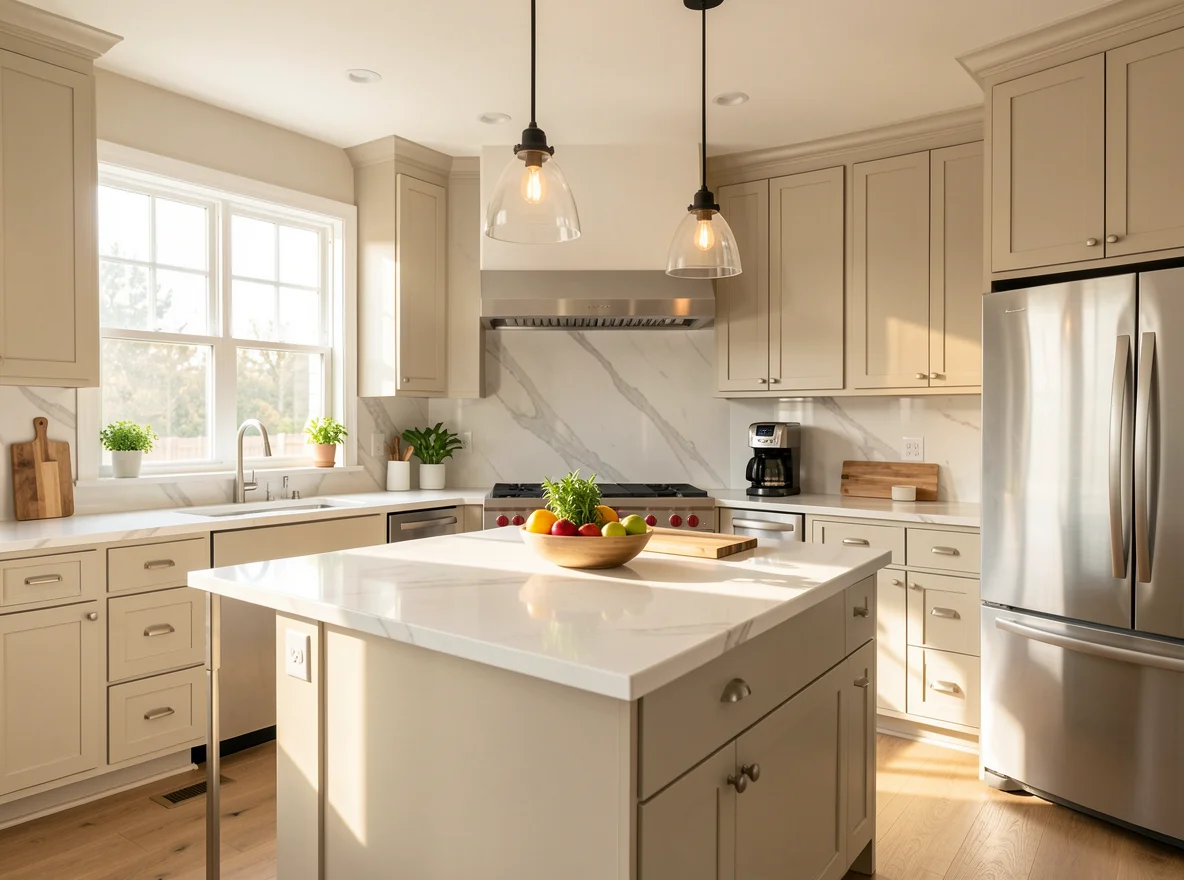
Kitchens and bathrooms attract a lot of buyer attention, which is why sellers often assume they need to renovate them completely before listing. In many cases, that is not necessary. Strategic touch-ups can improve how these spaces show without the cost, disruption, and timeline of a full remodel.
In the kitchen, painting or refinishing cabinets, replacing dated hardware, updating a faucet, improving lighting, or installing a simple backsplash can make a noticeable difference. If countertops are in good condition and the layout works well, smaller updates may be enough to create a fresher overall look.
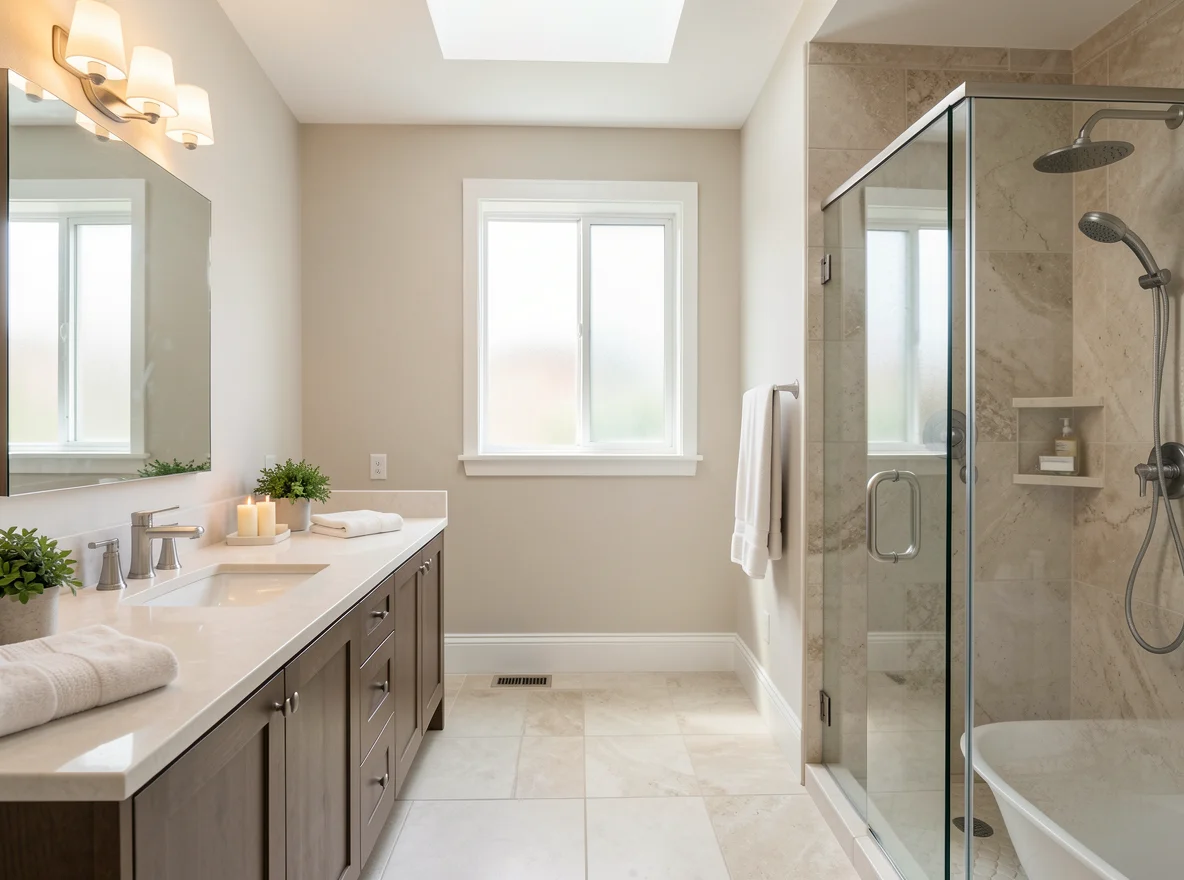
Bathrooms can also benefit from targeted improvements. Re-caulking tubs and showers, replacing worn mirrors or vanity lights, updating fixtures, and making sure tile and grout are spotless can help the room feel cleaner and more current. Even small presentation details can matter when buyers are comparing homes quickly.
The key is to think in terms of buyer perception rather than personal preference. A space does not always need to be brand new to show well. It needs to feel functional, clean, and cared for.
Take Care of the Small Repairs That Create Doubt
Minor maintenance issues can have a bigger impact on buyers than many sellers expect. A dripping faucet, loose handle, sticking door, cracked switch plate, torn screen, chipped trim, or squeaky hinge may seem insignificant on its own. But when buyers notice several small issues at once, they may start to question the overall condition of the home.
That is why pre-listing repairs are so valuable. Walk through the property with a critical eye and make a list of anything that feels broken, worn, or unfinished. Patch nail holes, touch up damaged walls, replace burned-out bulbs, repair hardware, and make sure doors, drawers, locks, and appliances work properly. These are not glamorous projects, but they help create confidence.
Buyer confidence matters because it affects how people interpret price, condition, and future maintenance. A home that feels well maintained is easier to trust, and that trust can support stronger interest when the property hits the market.
Update Dated Finishes Without Overpersonalizing
One of the most cost-effective ways to modernize a home is to replace dated finishes and hardware. Cabinet pulls, doorknobs, faucets, light fixtures, and switch plates can all influence whether a home feels current or stuck in another era. When these details are coordinated, the home often feels more polished in both photos and in-person tours.
That does not mean every finish needs to be high-end. In most cases, broad appeal matters more than luxury. Clean lines, simple materials, and neutral choices usually work better than highly trend-driven selections. The goal is to help buyers focus on the home itself rather than on details that feel distracting or overly specific.
Consistency is especially important. Mismatched metals, unfinished updates, or one heavily renovated room next to several untouched spaces can make the home feel less cohesive. A thoughtful, balanced approach usually creates the strongest result.
Know Which Projects Are Usually Not Worth It
Not every improvement makes sense before a sale. Some projects cost more than they are likely to return, while others create delays that interfere with your timeline. Highly customized renovations, luxury upgrades that exceed neighborhood expectations, and projects that may not be finished before listing can all create more stress than value.
It is also important to remember that return on investment is never guaranteed. What helps in one market or price point may not help in another. Buyer expectations, local competition, and the home's current condition all influence whether an upgrade is worth doing. In some situations, pricing the home appropriately and letting the next owner make larger changes is the smarter move.
This is where a strategic plan matters. Instead of asking whether an upgrade is impressive, ask whether it will improve presentation, reduce objections, and help buyers feel more confident about the home.
Make a Plan That Matches Your Market and Budget
The best pre-sale improvements are usually the ones that support a strong first impression: fresh paint, better lighting, deep cleaning, tidy landscaping, small repairs, and selective kitchen or bath updates. These are the changes that often help buyers focus on the home's strengths instead of its flaws.
Every property is different, though, which is why sellers benefit from getting advice before spending money. The right preparation strategy depends on the home's condition, the likely buyer pool, your budget, and how competitive the market is when you plan to list.
If you are preparing to sell, talk with your agent or our team before starting major work. A clear plan can help you avoid unnecessary projects, focus on the updates that matter most, and bring your home to market with greater confidence.