

Buying a home is exciting, but the purchase price is only part of the financial picture. Many buyers focus on the down payment and monthly mortgage, then feel surprised when smaller line items start adding up before closing and in the first few months after move-in.
If you want to plan with confidence, it helps to understand the full cost of buying a home from the start. Here is a practical breakdown of the expenses buyers should expect, why they matter, and how smart planning can help you keep more cash available when it counts.
The Purchase Price Is Only the Starting Point
When buyers begin their search, it is natural to anchor on the list price. But the true cost of buying a home includes upfront deposits, due diligence expenses, lender charges, closing costs, and the real-world costs of settling into the property after closing.
Some of these expenses are paid out of pocket before you ever reach the closing table. Others are due at closing in addition to your down payment. And some show up immediately after you get the keys, when you are buying supplies, setting up utilities, and handling the first round of maintenance or repairs.
The good news is that none of this has to be overwhelming. Buyers who understand the process early can budget more accurately, avoid last-minute stress, and make stronger decisions throughout the transaction.
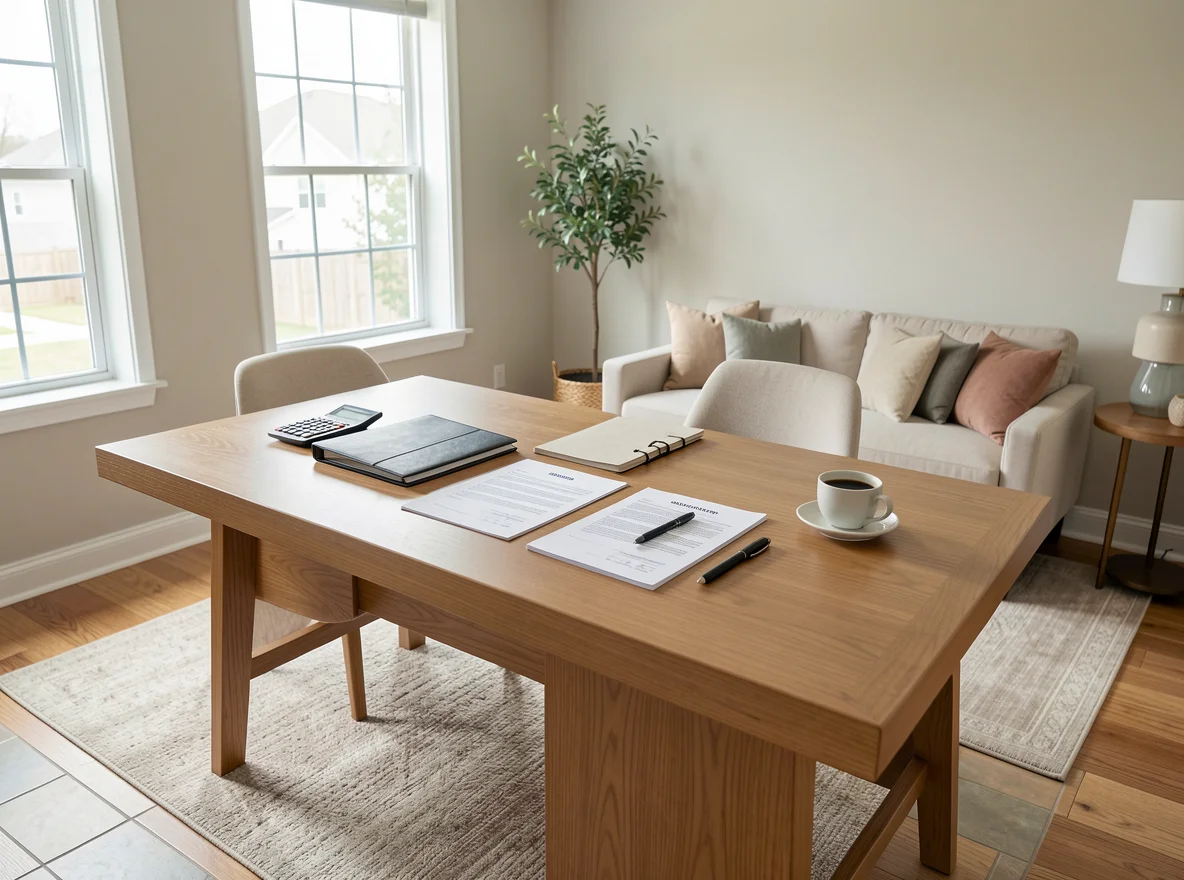
One of the first costs buyers may encounter is earnest money. This is a deposit submitted with an offer to show the seller that you are serious about moving forward. The amount can vary based on the market, the price point, and local norms.
Earnest money is not usually an extra fee in the sense that it disappears automatically. In many transactions, it is credited toward your down payment or closing costs if the sale closes. But it is still money you need to have available early in the process, and that timing matters.
Because earnest money is often due shortly after an offer is accepted, buyers should avoid stretching every available dollar toward the down payment alone. Keeping liquid funds ready can make the process smoother and help you respond quickly when the right home appears.
Inspections: A Small Cost That Can Protect a Big Investment
Home inspections are one of the most valuable parts of the buying process. A general inspection gives you a clearer picture of the home’s condition and can uncover issues with roofing, plumbing, electrical systems, HVAC components, structure, drainage, and more.
Depending on the property, buyers may also choose or need additional inspections for pests, radon, sewer lines, chimneys, mold, or specialized systems. These costs are typically paid out of pocket and are usually due before closing.
While inspections can feel like one more expense in an already busy transaction, they can save buyers from much larger surprises later. They also provide useful information for repair negotiations, pricing decisions, and future maintenance planning.
In practical terms, buyers should treat inspection costs as part of the normal path to ownership, not as an optional afterthought. Even when a home looks well maintained, professional evaluation matters.
The Appraisal and Why It Matters
If you are financing your purchase, your lender will typically require an appraisal. The purpose of the appraisal is to confirm that the home’s value supports the loan amount. This protects the lender, but it also affects the buyer in important ways.
The appraisal fee is another upfront cost that buyers often pay before closing. If the appraisal comes in at value, the transaction usually continues as expected. If it comes in low, the buyer and seller may need to renegotiate, or the buyer may need to bring additional funds to closing depending on the terms of the deal.
This is one reason strong budgeting matters. Buyers who understand their full cash position are better prepared if the transaction requires flexibility.
Lender Fees and Loan-Related Expenses
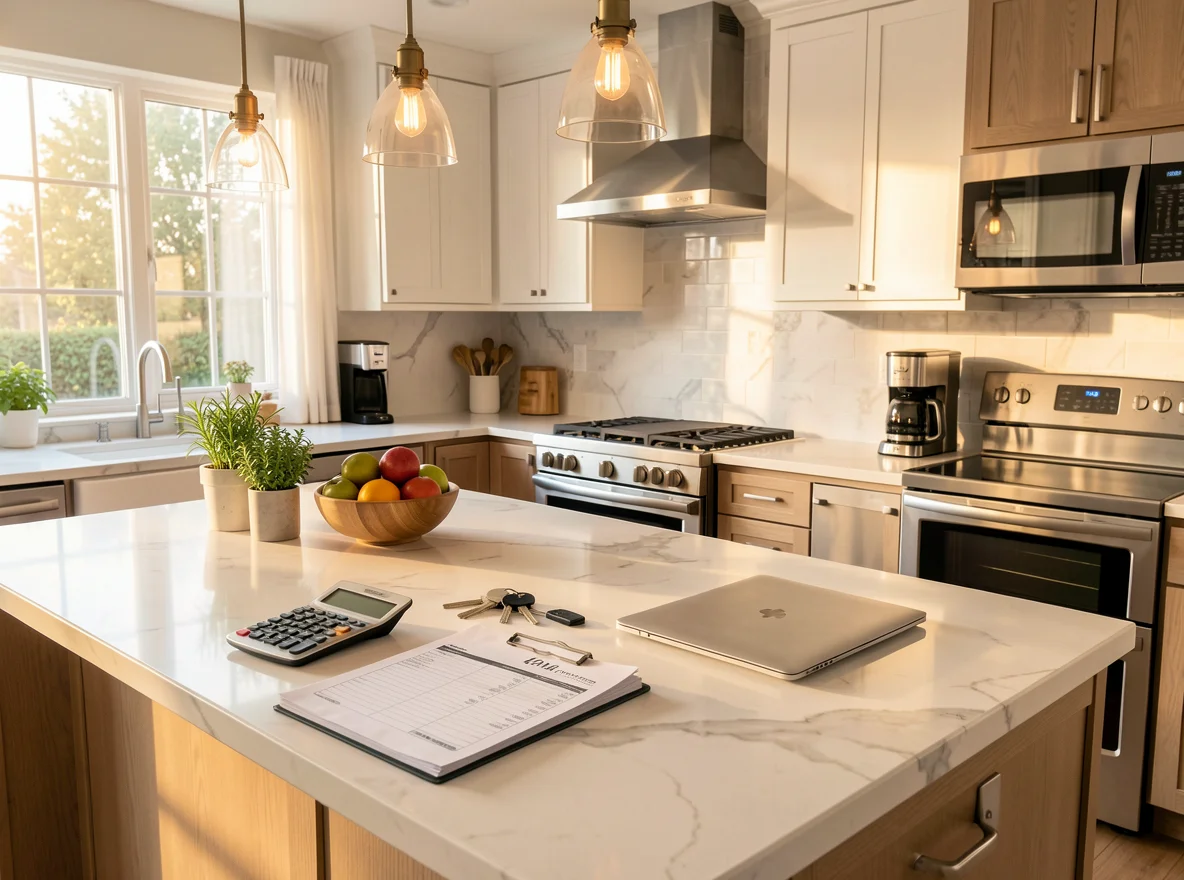
Beyond the mortgage itself, buyers should expect lender-related costs. These can include application fees, underwriting fees, credit report fees, processing fees, rate lock fees in some cases, and other charges tied to originating the loan.
Every lender structures fees a little differently, so comparing loan estimates carefully is important. A lower interest rate does not always mean a lower total cost, especially if one option includes higher upfront charges.
Buyers should also remember that prepaid items may be collected at closing. Depending on the timing of the transaction and the loan structure, this can include prepaid interest, homeowners insurance premiums, and initial escrow funding for taxes and insurance.
These items are easy to overlook because they are not always discussed in casual conversations about buying a home. But they can make a meaningful difference in the amount of cash you need to close.
Closing Costs: The Category That Catches Many Buyers Off Guard
Closing costs are often the broadest bucket of expenses beyond the down payment. They may include title services, settlement or attorney fees, recording fees, lender charges, prepaid taxes, insurance-related costs, and other transaction expenses.
The exact total depends on the purchase price, financing terms, local practices, and whether the seller is contributing toward any of the buyer’s costs. But the key point is simple: buyers should expect closing costs to be real, material expenses, not minor add-ons.
This is why early planning matters so much. If you budget only for the down payment, you may feel squeezed when the final numbers come together. If you budget for the full transaction, you can move forward with more clarity and less pressure.
A strong buyer strategy includes reviewing estimated closing costs early, updating those estimates as the transaction progresses, and making sure funds are available in the right accounts when needed.
Moving Costs Are Part of the Purchase Too
Once the contract is signed, many buyers shift their attention to the move itself. But moving expenses can add up quickly. Professional movers, truck rentals, packing supplies, storage, utility transfers, cleaning services, and time off work all carry real costs.
Even a local move can become expensive if it involves multiple trips, temporary housing, or overlapping lease and mortgage payments. For buyers relocating from farther away, travel, lodging, and coordination costs may also come into play.
These expenses are easy to underestimate because they happen outside the formal closing statement. But from a household budgeting perspective, they are absolutely part of the true cost of buying a home.
Early Homeownership Costs After You Get the Keys
The first few months of ownership often bring a new round of spending. Some costs are expected, and some are simply part of learning how the home functions in daily life.
Common early homeownership expenses include changing locks, purchasing appliances that were not included, window treatments, lawn equipment, paint, basic tools, shelving, furniture, and small repairs. Buyers may also need to budget for immediate maintenance items such as HVAC servicing, gutter cleaning, plumbing fixes, or electrical updates.
None of these costs necessarily mean the home was a bad purchase. They are often normal parts of settling in. But they do reinforce an important point: it is wise to keep a financial cushion after closing rather than using every available dollar to get to the finish line.
Why Cash Flexibility Matters More Than Buyers Sometimes Realize
One of the smartest things a buyer can do is protect cash flexibility. Having funds available for inspections, appraisal, lender fees, closing costs, moving expenses, and early repairs can reduce stress and create better options throughout the process.
This is where fee structure can matter. A 1% fee model may support buyers who want to keep more money available for the many costs that come with purchasing a home. When buyers are able to reduce transaction-related expenses, that can leave more room in the budget for due diligence, reserves, move-in needs, and the practical realities of ownership.
For many buyers, that flexibility is not just about saving money on paper. It is about improving the overall buying experience. More available cash can mean less strain at closing, more confidence during negotiations, and a stronger financial position after move-in.
Every transaction is different, and buyers should always review the details of any fee structure carefully. But the broader takeaway is clear: how you buy matters just as much as what you buy.
A Practical Way to Prepare Before You Start Shopping
If you are planning to buy, one of the best first steps is to build a complete home buying budget before you tour too many properties. That budget should include your down payment target, estimated earnest money, inspection costs, appraisal fee, lender fees, closing costs, moving expenses, and a post-closing reserve for early homeownership needs.
It is also helpful to separate what is due upfront, what is due at closing, and what is likely to come up after closing. That timeline gives buyers a more realistic picture of cash flow and helps prevent surprises.
Buying a home is a major milestone, and good planning can make it feel far more manageable. When you understand the true cost from the beginning, you can make decisions with more confidence and move forward with a strategy that supports both the purchase and your life after closing.
If you are preparing to buy and want help building a smart, realistic plan, connect with our team. We can help you think through the full cost of buying a home, understand where your money will go, and create a strategy that supports a smoother purchase from offer to closing day.