


Real estate decisions in 2026 are being shaped by a mix of affordability pressure, smarter pricing, and a growing demand for efficient service. For buyers and sellers alike, the biggest shift is not just where the market is moving, but how people are choosing to navigate it. More homeowners are asking sharper questions about value, representation, and whether traditional commission structures still make sense.
That is exactly why the 1% Broker Fee Model is getting more attention. In a market where every dollar matters, sellers want strong exposure and skilled negotiation without giving away more equity than necessary, while buyers want practical guidance grounded in current conditions. Understanding the trends below can help you make better decisions, whether you are preparing to list, planning a purchase, or simply watching the market more strategically.
Affordability Is Still Driving Buyer Behavior
In many markets, affordability remains the headline issue. Mortgage rates, insurance costs, taxes, and monthly payment sensitivity continue to shape what buyers can realistically pursue. That does not mean demand has disappeared. It means buyers are more selective, more analytical, and less likely to stretch beyond their comfort zone without a clear upside.
For sellers, this trend reinforces the importance of pricing correctly from day one. Homes that enter the market aligned with current buyer expectations tend to generate stronger early interest, while overpriced listings often sit longer and invite reductions. For buyers, preparation matters more than ever. A clear budget, lender readiness, and a realistic understanding of tradeoffs can create a major advantage.
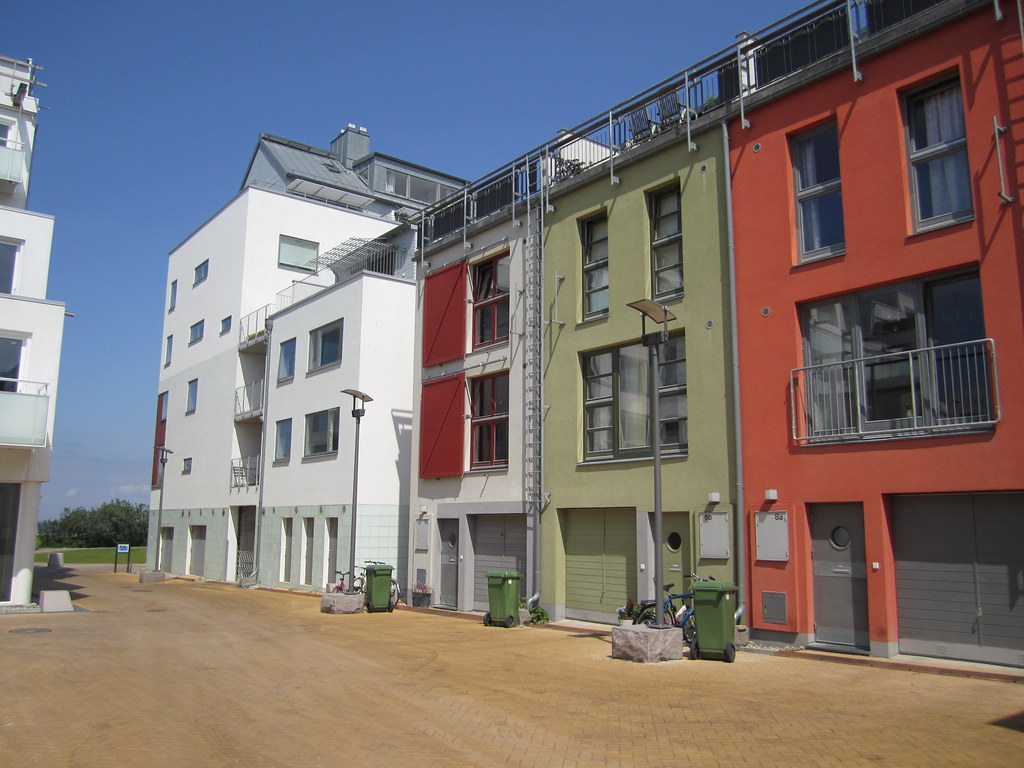
Buyers are also broadening their search criteria. Instead of focusing only on ideal finishes or perfect layouts, many are prioritizing payment stability, location convenience, and long-term livability. That creates opportunities for well-maintained homes that may not be flashy but offer solid value.
This is where experienced guidance matters. A thoughtful strategy can help buyers identify homes with strong upside and help sellers position their property around what today’s market actually rewards.
Pricing Strategy Has Become More Important Than Ever
One of the clearest real estate trends in 2026 is the market’s intolerance for wishful pricing. Buyers have more data at their fingertips, and they are comparing listings quickly. If a home feels out of step with nearby competition, the market usually responds fast through lower showing activity, fewer offers, and longer days on market.
That makes pricing strategy one of the most valuable services a seller can receive. The goal is not simply to name a number. It is to understand local competition, buyer psychology, timing, and how to create momentum. A strong launch can still produce excellent results, but it requires discipline and market awareness.
The 1% Broker Fee Model becomes especially relevant here because sellers are paying closer attention to net proceeds. Saving on listing fees does not mean sacrificing strategy. In fact, many homeowners are looking for a model that combines smart pricing, professional marketing, and stronger cost efficiency. When the numbers are tight, keeping more equity can have a meaningful impact on the next move, whether that means buying again, downsizing, or improving overall financial flexibility.
Presentation Still Wins, but Buyers Expect Substance
Presentation remains essential, but buyers in 2026 are looking beyond surface-level polish. Clean, well-prepared homes still stand out, especially online, yet buyers also want confidence that the property has been maintained and realistically represented. That means sellers should think in terms of both appearance and credibility.
Professional photography, thoughtful staging, and a clean pre-listing plan still matter because first impressions drive traffic. At the same time, practical improvements such as fresh paint, lighting updates, deferred maintenance repairs, and a clear disclosure strategy can help reduce hesitation once buyers take a closer look.

For sellers using a 1% Broker Fee Model, this is an important distinction. Lower fees should not mean lower standards. The right approach is efficient, not stripped down. Sellers still need compelling visuals, strong listing copy, accurate positioning, and a plan to attract qualified buyers.
For buyers, better presentation can also make decision-making easier. A home that is clearly prepared and honestly marketed tends to inspire more confidence than one that looks rushed or incomplete.
Efficiency and Transparency Are Becoming Competitive Advantages
Consumers are more informed than ever, and they are increasingly drawn to real estate models that feel transparent, modern, and aligned with their financial goals. Sellers want to understand exactly what they are paying for. Buyers want responsive communication and practical advice without unnecessary friction. Across the board, efficiency is becoming a differentiator.
This is one reason the 1% Broker Fee Model continues to gain traction. It speaks directly to a common concern: how to receive professional representation while protecting more of your bottom line. In a market where moving costs add up quickly, from repairs and closing costs to rate buydowns and relocation expenses, fee structure is no longer a background detail. It is part of the strategy.
Transparency also builds trust. Clear expectations around pricing, marketing, negotiations, timelines, and costs help clients make decisions with less stress. Whether someone is entering the market for the first time or making a major move after years in the same home, a straightforward process is a real advantage.
Local Knowledge Still Matters in a Data-Heavy Market
Even with more online tools and automated estimates, local market knowledge remains essential. Broad headlines can tell you what is happening nationally, but they do not explain why one neighborhood is moving faster than another, why certain price points are outperforming, or how local inventory patterns are affecting leverage.
That is why buyers and sellers still benefit from working with a professional who can interpret the numbers in context. Data is useful, but strategy comes from understanding how that data applies to real homes, real timing, and real negotiation scenarios. The strongest outcomes usually come from combining market analytics with practical local insight.

For sellers, that may mean knowing when to list, how to respond to early feedback, or whether a pricing adjustment is tactical or premature. For buyers, it may mean recognizing hidden value, understanding micro-market competition, or structuring an offer that stands out without overreaching.
In 2026, the most effective real estate decisions are rarely based on guesswork. They come from a combination of preparation, local awareness, and a service model that supports your goals.
What This Means for Buyers and Sellers Right Now
The real estate market in 2026 is not defined by a single trend. It is being shaped by affordability, disciplined pricing, stronger consumer expectations, and a growing focus on efficiency. Buyers are more selective. Sellers are more cost-conscious. Both want better information and better value.
That is why the 1% Broker Fee Model stands out in today’s environment. It reflects what many clients are already looking for: professional guidance, smart marketing, and a more efficient path to the closing table. If you are thinking about buying, selling, or evaluating your next move, now is a good time to look at the market through that lens and build a strategy that protects both your goals and your equity.
If you are ready to explore your options, connect with our team for practical guidance tailored to your next step.